Category Archive Industries And Solutions

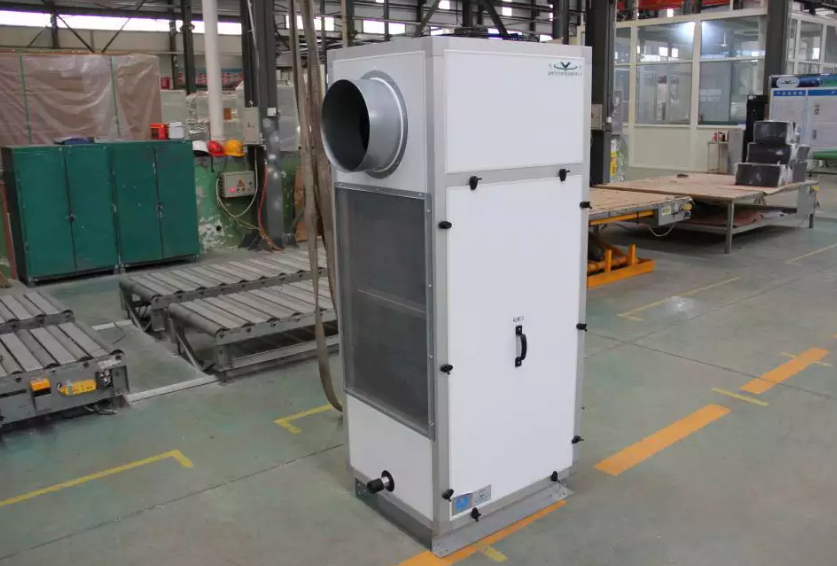
Corrosion-Resistant Air Heat Exchange Core and Dehumidification Heat Recovery Equipment for Heat Pump Drying Systems

In heat pump drying applications, especially for seafood processing, chemical sludge, and other salt-laden materials, the drying and baking environment places extremely high demands on air heat exchange equipment. Exhaust air often contains large amounts of water vapor, salt mist, and corrosive substances. Conventional aluminum heat exchangers are prone to corrosion, perforation, rapid efficiency loss, and frequent failures. For these harsh conditions, corrosion-resistant air heat exchange cores combined with dehumidification and exhaust heat recovery equipment are essential to ensure long-term stable operation of heat pump drying systems.


1. Typical Operating Conditions

Drying exhaust air from seafood processing and chemical sludge treatment usually has the following characteristics:

High humidity with large volumes of condensate
Presence of salt mist or chemical corrosive components
Continuous operation under medium to high temperatures
Long operating cycles with limited downtime for maintenance
High reliability requirements for heat pump systems

These conditions require heat exchange cores with excellent resistance to corrosion, condensation, and thermal stress.


2. Key Design Features of Corrosion-Resistant Air Heat Exchange Cores

1. Corrosion-Resistant Materials

The heat exchange core is manufactured using stainless-steel foil (304 / 316L) or other high-corrosion-resistant composite materials, effectively resisting salt mist, chloride ions, and chemical corrosion while significantly extending service life.

2. Air-to-Air Isolated Heat Exchange Structure

An air-to-air heat exchange design ensures complete separation between exhaust air and make-up air, preventing salt mist and corrosive components from entering the heat pump system.

3. Low-Resistance, Large-Channel Design

Wide airflow passages and low pressure drop support high-humidity, large-airflow drying chambers, minimizing fouling and blockage.

4. Efficient Condensate Drainage and Anti-Liquid Accumulation Design

Vertical airflow configuration combined with a bottom condensate collection tray enables rapid drainage, preventing liquid accumulation and corrosion.


3. Integrated Dehumidification, Exhaust Air Discharge, and Heat Recovery Principle

Within a heat pump drying system, the corrosion-resistant air heat exchange core works in coordination with the dehumidification and exhaust heat recovery module:

  1. High-humidity hot air from the drying chamber enters the dehumidification heat exchange section.

  2. Water vapor condenses on the surface of the heat exchange core and is discharged.

  3. Latent and sensible heat released during condensation is recovered.

  4. Recovered heat is used to preheat make-up air or recirculated air.

  5. Reduced air humidity improves drying efficiency.

  6. Heat pump load decreases, enhancing overall system energy efficiency.

This integrated process achieves both moisture removal and energy recovery simultaneously.


4. Application Areas

This type of corrosion-resistant air heat exchange core and heat recovery equipment is particularly suitable for:

Seafood drying and processing (fish, shrimp, seaweed)
Salt-containing agricultural and aquatic products
Chemical sludge and salt-bearing sludge drying
Heat pump drying systems for high-salinity waste materials
Drying chambers in coastal or high salt-mist environments


5. System Benefits

Applying corrosion-resistant air heat exchange cores under harsh operating conditions delivers:

Stable and reliable long-term operation
Effective dehumidification with shorter drying cycles
Recovery of exhaust heat to reduce heat pump energy consumption
Significantly reduced corrosion risk and maintenance costs
Extended service life and improved system reliability


6. Conclusion

In high-salinity, high-humidity, and corrosive drying environments such as seafood processing and chemical sludge treatment, conventional heat exchange equipment cannot ensure stable operation. The use of dedicated corrosion-resistant air heat exchange cores combined with dehumidification and exhaust heat recovery equipment provides a reliable, energy-efficient solution for heat pump drying systems. It represents a key enabling technology for safe, economical, and sustainable operation in complex drying conditions.

Exhaust Heat Recovery Retrofit for Textile Stenter Machines Using Full Stainless-Steel Air-to-Air Plate Heat Exchangers

Textile stenter machines generate high-temperature exhaust containing oil mist, fiber dust, additives, and high humidity, which often leads to corrosion, fouling, and unstable system operation. To address these challenges, a full stainless-steel air-to-air plate heat exchanger is used for exhaust heat recovery, integrating vertical exhaust channels, flat-plate passage structures, vertical spray washing, and a bottom condensate/ sludge settling tank. These optimized designs ensure reliable heat recovery specifically tailored for the textile printing and dyeing industry.


1. Application Background

Typical characteristics of stenter machine exhaust:
• Temperature 120–180°C
• Contains oil mist, fiber particles, chemical additives
• High moisture content; risk of condensation and corrosion
• Tendency to cause fouling and blockage in conventional heat exchangers

Aluminum exchangers cannot handle these harsh conditions. A full stainless-steel design with specialized structures is required to ensure long-term stable performance.


2. Key Structural Features

1. Full Stainless-Steel Heat Transfer Plates (304 / 316L)

• Excellent resistance to acidic condensate and dyeing chemicals
• High thermal and mechanical stability at elevated temperatures
• Supports high-frequency washing without deformation
• Considerably longer service life than aluminum plates

2. Flat Exhaust Passage Design

• Smooth, wide flow channels prevent fiber and oil mist accumulation
• Extended maintenance intervals
• Lower pressure drop, ideal for the large airflow of stenter machines

3. Vertical Exhaust Flow (L-Shaped Flow Path)

• Exhaust flows vertically downward or from top-side down
• Gravity assists removal of oil droplets and particles
• Reduces fouling on plate surfaces and prolongs cleaning cycles
• Enhances drainage efficiency during spray washing

4. Vertical Spray Cleaning System

• Periodic spray washing removes oil, fiber dust, and chemical residue
• Prevents fouling and restores heat transfer performance
• Allows online cleaning without dismantling the heat exchanger

5. Bottom Wastewater and Sludge Settling Tank

• Collects oil-contaminated water and fiber particles washed from plates
• Facilitates proper drainage and disposal
• Prevents recontamination of the heat exchanger
• Easy-to-clean structure, independent from the upper heat exchange area


3. Working Principle

  1. High-temperature exhaust enters the vertical flat channels.

  2. Heat is transferred through stainless-steel plates to the fresh-air side.

  3. Moisture condenses and carries oil/dirt downward into the settling tank.

  4. Fresh air absorbs waste heat and is preheated for reuse in the stenter machine or workshop ventilation.

  5. Cooled exhaust is then discharged to downstream treatment (RTO, carbon adsorption, fans) with reduced thermal load.

  6. The spray system periodically washes the exhaust channels to maintain stable efficiency.

Airflows remain completely separated to avoid cross-contamination.


4. Technical Advantages

1. Engineered Specifically for Textile Stenter Exhaust

Resistant to high temperature, corrosion, oil fumes, and fiber dust—solving long-standing issues in the dyeing and finishing industry.

2. Significant Energy Savings

Recovering exhaust heat to preheat fresh air can reduce gas, steam, or electric heating consumption by 20–35%.

3. Anti-Fouling, Stable Operation

Flat channels + vertical airflow + spray washing prevent blockages common in stenter exhaust systems.

4. Protects Downstream Equipment

Lower exhaust temperature reduces load on RTO, ducts, and fans, improving service life and reliability.

5. Low Maintenance

Routine spray cleaning and simple sludge removal are sufficient; no frequent disassembly required.


5. Typical Applications

• Textile heat-setting stenter machines
• Stretching, drying, and heat-setting production lines
• High-temperature exhaust with oil mist and fiber dust
• Pre-cooling and energy recovery before VOC treatment systems

BXB Energy-Saving Heat Exchanger for Flower and Herb Drying

High-Efficiency Waste Heat Recovery · Lower Drying Energy Consumption · Improve Product Quality

During the drying process of flowers, petals, herbs, and aromatic plants, a large volume of hot and humid air is discharged. This exhaust contains substantial reusable heat. The BXB energy-saving heat exchanger captures the sensible heat and part of the latent heat from the exhaust air and uses it to preheat fresh air or return air, significantly reducing energy waste.


Working Principle

  1. Hot exhaust enters the heat exchanger after leaving the dryer.

  2. Heat is transferred to fresh air, raising the fresh air temperature quickly.

  3. Exhaust air temperature and humidity drop after heat exchange, improving discharge conditions.

  4. Preheated fresh air returns to the dryer, reducing heater load and energy consumption.

This process is especially suitable for flower and herb drying, where stable temperature control is crucial for preserving color, fragrance, and quality.


Key Advantages

Energy Saving
The BXB structure provides large heat exchange surface and low air resistance, recovering a substantial portion of waste heat. Energy consumption can typically be reduced by twenty to forty percent.

Stable Drying Quality
Preheated air provides a more stable inlet temperature, reducing fluctuations and helping maintain natural color, aroma, and shape of dried flowers and herbs.

Improved Exhaust Conditions
After cooling, the exhaust becomes less humid and easier to discharge, reducing heat stress and moisture impact on the equipment.

Optimized for Low-Temperature Drying
Flower and herb drying requires gentle and precise temperature control. The BXB exchanger improves overall stability and enhances process controllability.

Flexible Installation
Suitable for both new drying lines and retrofit projects without altering the original drying process.


Application Fields

Flower drying
Rose petals, chamomile, lavender, jasmine, honeysuckle, and other delicate floral materials.

Herbal drying
Leaf-type or flower-type medicinal herbs requiring low-temperature drying to preserve active components.

Aromatic plant drying
Materials that need controlled temperature to retain fragrance.

Applicable to agricultural bases, herb processing factories, flower drying workshops, and food processing plants.

Warm Up Savings with Mine Exhaust Heat Recovery

Turn waste into wealth with our Mine Exhaust Waste Heat Recovery System! This innovative solution captures up to 60% of heat from mine ventilation, providing cost-effective heating for surface facilities.

Key Advantages:

  • Energy Recovery: Transform exhaust heat into usable warmth.

  • Cost Savings: Reduce heating expenses in harsh climates.

  • Improved Safety: Enhance underground working conditions.

Proven Savings!A cold-region mine cut heating costs by 25%. Upgrade your operations—contact us now!

Enhance Wind Power with Nacelle Cooling System

Maximize wind turbine performance with our Wind Turbine Nacelle Cooling System! Designed to manage internal temperatures, this system extends equipment life and recovers heat, boosting efficiency in all weather conditions.

Why It’s Superior:

  • Durability: Prevent overheating for longer-lasting components.

  • Peak Efficiency: Maintain optimal turbine output.

  • Heat Recovery: Reuse heat for additional benefits.

Real Success!An offshore wind farm boosted efficiency by 20%. Power up your turbines—reach out today!

Cool Smart with Indirect Evaporative Cooling System

Beat the heat efficiently with our Indirect Evaporative Cooling System! Ideal for data centers and commercial buildings, this system cuts cooling energy by up to 50% using water evaporation without humidifying air.

Top Benefits:

  • Energy Savings: Reduce cooling costs dramatically.

  • Eco-Conscious: No harmful refrigerants, just pure efficiency.

  • Stable Performance: Perfect for sensitive equipment.

Proven Performance!A data center saved 35% on cooling costs. Upgrade your cooling solution now!

Clear the Air with Smoke Whitening System

Lead the charge in environmental protection with our Smoke Whitening System! Perfect for industrial sites, this technology eliminates visible smoke, recovers heat, and ensures compliance with strict emission standards.

Why It’s Essential:

  • Cleaner Air: Reduce particulate matter for a healthier environment.

  • Regulatory Success: Meet and exceed emission regulations.

  • Energy Smart: Reuse recovered heat for added efficiency.

Impressive Impact!A chemical plant achieved a 95% reduction in visible emissions. Join the green revolution—contact us today!

Power Up Efficiency with Industrial Heat Emission Recovery

Revolutionize your industry with our Industrial Heat Emission Recovery and Reuse System! Designed for factories and power plants, this system captures up to 70% of waste heat, repurposing it for heating or power generation to boost efficiency.

Standout Features:

  • Energy Reuse: Maximize output with recovered heat.

  • Cost Reduction: Lower fuel costs and enhance profitability.

  • Eco-Friendly: Reduce emissions for a greener operation.

Industry Leader!A steel plant saved 18% on energy costs with our system. Transform your industrial process—get in touch now!

Maximize Yields with Scientific Breeding Ventilation System

Unlock the potential of your breeding operations with our Air Conditioning and Ventilation System! Ideal for greenhouses and aquaculture, this system maintains perfect temperature, humidity, and CO2 levels, recovering up to 65% of energy for sustainable growth.

Why It’s a Game-Changer:

  • Optimal Growth: Create ideal conditions for plants and animals.

  • Cost Efficiency: Significant energy savings enhance profitability.

  • Sustainable Farming: Support eco-friendly practices with advanced technology.

Real Results!A hydroponic farm increased yield by 25% and cut energy costs by 15%. Elevate your breeding success—contact us today!

Elevate Healthcare with Clean Air Conditioning System

Transform healthcare environments with our Clean Air Conditioning Fresh Air System! Tailored for hospitals and operating rooms, this system combines advanced filtration with energy recovery, ensuring a sterile atmosphere while cutting costs by up to 60-70%.

Key Advantages:

  • Sterile Precision: High-level purification for critical surgical settings.

  • Energy Savings: Reduce HVAC expenses with efficient energy recovery.

  • Health Priority: Minimize infection risks with pristine air quality.

Proven Excellence!A top hospital saw a 20% energy reduction and improved infection control. Upgrade your facility now for safer, smarter air management!

Need Help?
en_USEnglish