ਸ਼੍ਰੇਣੀ ਆਰਕਾਈਵ ਕਰਾਸ ਫਲੋ ਹੀਟ ਐਕਸਚੇਂਜਰ

ਕਰਾਸ ਫਲੋ ਹੀਟ ਐਕਸਚੇਂਜਰ ਕਿਵੇਂ ਕੰਮ ਕਰਦਾ ਹੈ

ਕਰਾਸਫਲੋ ਹੀਟ ਐਕਸਚੇਂਜਰ ਇਹ ਦੋ ਤਰਲਾਂ ਨੂੰ ਇੱਕ ਦੂਜੇ ਦੇ ਸੱਜੇ ਕੋਣਾਂ (ਲੰਬਵ) 'ਤੇ ਵਹਿਣ ਦੀ ਆਗਿਆ ਦੇ ਕੇ ਕੰਮ ਕਰਦਾ ਹੈ, ਆਮ ਤੌਰ 'ਤੇ ਇੱਕ ਤਰਲ ਟਿਊਬਾਂ ਵਿੱਚੋਂ ਲੰਘਦਾ ਹੈ ਅਤੇ ਦੂਜਾ ਟਿਊਬਾਂ ਦੇ ਬਾਹਰ ਵਹਿੰਦਾ ਹੈ। ਮੁੱਖ ਸਿਧਾਂਤ ਇਹ ਹੈ ਕਿ ਗਰਮੀ ਇੱਕ ਤਰਲ ਤੋਂ ਦੂਜੇ ਤਰਲ ਵਿੱਚ ਟਿਊਬਾਂ ਦੀਆਂ ਕੰਧਾਂ ਰਾਹੀਂ ਤਬਦੀਲ ਕੀਤੀ ਜਾਂਦੀ ਹੈ। ਇੱਥੇ ਇਹ ਕਿਵੇਂ ਕੰਮ ਕਰਦਾ ਹੈ ਇਸਦਾ ਇੱਕ ਕਦਮ-ਦਰ-ਕਦਮ ਵੇਰਵਾ ਹੈ:

ਹਿੱਸੇ:

  1. ਟਿਊਬ ਸਾਈਡ: ਇੱਕ ਤਰਲ ਪਦਾਰਥ ਟਿਊਬਾਂ ਵਿੱਚੋਂ ਵਗਦਾ ਹੈ।
  2. ਸ਼ੈੱਲ ਸਾਈਡ: ਦੂਜਾ ਤਰਲ ਟਿਊਬਾਂ ਦੇ ਉੱਪਰ, ਟਿਊਬ ਬੰਡਲ ਦੇ ਪਾਰ, ਟਿਊਬਾਂ ਦੇ ਅੰਦਰ ਤਰਲ ਦੇ ਪ੍ਰਵਾਹ ਦੇ ਲੰਬਵਤ ਦਿਸ਼ਾ ਵਿੱਚ ਵਗਦਾ ਹੈ।

ਕੰਮ ਕਰਨ ਦੀ ਪ੍ਰਕਿਰਿਆ:

  1. ਤਰਲ ਪਦਾਰਥ ਦਾਖਲਾ: ਦੋਵੇਂ ਤਰਲ (ਗਰਮ ਅਤੇ ਠੰਡਾ) ਵੱਖ-ਵੱਖ ਇਨਲੇਟਾਂ 'ਤੇ ਹੀਟ ਐਕਸਚੇਂਜਰ ਵਿੱਚ ਦਾਖਲ ਹੁੰਦੇ ਹਨ। ਇੱਕ ਤਰਲ (ਮੰਨ ਲਓ ਕਿ ਗਰਮ ਤਰਲ) ਟਿਊਬਾਂ ਰਾਹੀਂ ਦਾਖਲ ਹੁੰਦਾ ਹੈ, ਅਤੇ ਦੂਜਾ ਤਰਲ (ਠੰਡਾ ਤਰਲ) ਟਿਊਬਾਂ ਦੇ ਬਾਹਰ ਸਪੇਸ ਵਿੱਚ ਦਾਖਲ ਹੁੰਦਾ ਹੈ।
  2. ਤਰਲ ਪ੍ਰਵਾਹ:

    • ਟਿਊਬਾਂ ਦੇ ਅੰਦਰ ਵਹਿ ਰਿਹਾ ਤਰਲ ਸਿੱਧਾ ਜਾਂ ਥੋੜ੍ਹਾ ਜਿਹਾ ਮੁੜਿਆ ਹੋਇਆ ਰਸਤਾ ਅਪਣਾਉਂਦਾ ਹੈ।
    • ਟਿਊਬਾਂ ਦੇ ਬਾਹਰ ਵਗਦਾ ਤਰਲ ਉਹਨਾਂ ਦੇ ਉੱਪਰੋਂ ਇੱਕ ਲੰਬਵਤ ਦਿਸ਼ਾ ਵਿੱਚ ਲੰਘਦਾ ਹੈ। ਇਸ ਤਰਲ ਦਾ ਰਸਤਾ ਜਾਂ ਤਾਂ ਕਰਾਸਫਲੋ (ਸਿੱਧਾ ਟਿਊਬਾਂ ਦੇ ਪਾਰ) ਹੋ ਸਕਦਾ ਹੈ ਜਾਂ ਇੱਕ ਵਧੇਰੇ ਗੁੰਝਲਦਾਰ ਸੰਰਚਨਾ ਹੋ ਸਕਦੀ ਹੈ, ਜਿਵੇਂ ਕਿ ਕਰਾਸਫਲੋ ਅਤੇ ਕਾਊਂਟਰਫਲੋ ਦਾ ਸੁਮੇਲ।

  3. ਹੀਟ ਟ੍ਰਾਂਸਫਰ:

    • ਗਰਮ ਤਰਲ ਤੋਂ ਗਰਮੀ ਟਿਊਬ ਦੀਆਂ ਕੰਧਾਂ ਵਿੱਚ ਅਤੇ ਫਿਰ ਟਿਊਬਾਂ ਵਿੱਚੋਂ ਵਹਿ ਰਹੇ ਠੰਡੇ ਤਰਲ ਵਿੱਚ ਤਬਦੀਲ ਹੋ ਜਾਂਦੀ ਹੈ।
    • ਤਾਪ ਸੰਚਾਰ ਦੀ ਕੁਸ਼ਲਤਾ ਦੋ ਤਰਲਾਂ ਵਿਚਕਾਰ ਤਾਪਮਾਨ ਦੇ ਅੰਤਰ 'ਤੇ ਨਿਰਭਰ ਕਰਦੀ ਹੈ। ਤਾਪਮਾਨ ਦਾ ਅੰਤਰ ਜਿੰਨਾ ਵੱਡਾ ਹੋਵੇਗਾ, ਤਾਪ ਸੰਚਾਰ ਓਨਾ ਹੀ ਕੁਸ਼ਲ ਹੋਵੇਗਾ।

  4. ਆਊਟਲੈੱਟ: ਗਰਮੀ ਦੇ ਤਬਾਦਲੇ ਤੋਂ ਬਾਅਦ, ਹੁਣ ਠੰਡਾ ਗਰਮ ਤਰਲ ਇੱਕ ਆਊਟਲੈੱਟ ਰਾਹੀਂ ਬਾਹਰ ਨਿਕਲਦਾ ਹੈ, ਅਤੇ ਹੁਣ ਗਰਮ ਠੰਡਾ ਤਰਲ ਦੂਜੇ ਆਊਟਲੈੱਟ ਰਾਹੀਂ ਬਾਹਰ ਨਿਕਲਦਾ ਹੈ। ਗਰਮੀ ਦੇ ਤਬਾਦਲੇ ਦੀ ਪ੍ਰਕਿਰਿਆ ਦੇ ਨਤੀਜੇ ਵਜੋਂ ਦੋਵੇਂ ਤਰਲ ਪਦਾਰਥਾਂ ਵਿੱਚ ਤਾਪਮਾਨ ਵਿੱਚ ਤਬਦੀਲੀ ਆਉਂਦੀ ਹੈ ਕਿਉਂਕਿ ਉਹ ਹੀਟ ਐਕਸਚੇਂਜਰ ਵਿੱਚੋਂ ਲੰਘਦੇ ਹਨ।

ਡਿਜ਼ਾਈਨ ਭਿੰਨਤਾਵਾਂ:

  • ਸਿੰਗਲ-ਪਾਸ ਕਰਾਸਫਲੋ: ਇੱਕ ਤਰਲ ਟਿਊਬਾਂ ਵਿੱਚ ਇੱਕੋ ਦਿਸ਼ਾ ਵਿੱਚ ਵਹਿੰਦਾ ਹੈ, ਅਤੇ ਦੂਜਾ ਤਰਲ ਟਿਊਬਾਂ ਵਿੱਚੋਂ ਲੰਘਦਾ ਹੈ।
  • ਮਲਟੀ-ਪਾਸ ਕਰਾਸਫਲੋ: ਟਿਊਬਾਂ ਦੇ ਅੰਦਰ ਤਰਲ ਪਦਾਰਥ ਕਈ ਪਾਸਿਆਂ ਵਿੱਚ ਵਹਿ ਸਕਦਾ ਹੈ ਤਾਂ ਜੋ ਬਾਹਰਲੇ ਤਰਲ ਨਾਲ ਸੰਪਰਕ ਸਮਾਂ ਵਧਾਇਆ ਜਾ ਸਕੇ, ਜਿਸ ਨਾਲ ਗਰਮੀ ਦੇ ਤਬਾਦਲੇ ਵਿੱਚ ਸੁਧਾਰ ਹੁੰਦਾ ਹੈ।

ਕੁਸ਼ਲਤਾ ਦੇ ਵਿਚਾਰ:

  • ਕਰਾਸਫਲੋ ਹੀਟ ਐਕਸਚੇਂਜਰ ਆਮ ਤੌਰ 'ਤੇ ਕਾਊਂਟਰਫਲੋ ਹੀਟ ਐਕਸਚੇਂਜਰਾਂ ਨਾਲੋਂ ਘੱਟ ਕੁਸ਼ਲ ਹੁੰਦੇ ਹਨ ਕਿਉਂਕਿ ਦੋ ਤਰਲਾਂ ਵਿਚਕਾਰ ਤਾਪਮਾਨ ਗਰੇਡੀਐਂਟ ਹੀਟ ਐਕਸਚੇਂਜਰ ਦੀ ਲੰਬਾਈ ਦੇ ਨਾਲ ਘੱਟ ਜਾਂਦਾ ਹੈ। ਕਾਊਂਟਰਫਲੋ ਵਿੱਚ, ਤਰਲ ਪਦਾਰਥ ਇੱਕ ਵਧੇਰੇ ਇਕਸਾਰ ਤਾਪਮਾਨ ਅੰਤਰ ਬਣਾਈ ਰੱਖਦੇ ਹਨ, ਜੋ ਇਸਨੂੰ ਗਰਮੀ ਦੇ ਤਬਾਦਲੇ ਲਈ ਵਧੇਰੇ ਪ੍ਰਭਾਵਸ਼ਾਲੀ ਬਣਾਉਂਦਾ ਹੈ।
  • ਹਾਲਾਂਕਿ, ਕਰਾਸਫਲੋ ਹੀਟ ਐਕਸਚੇਂਜਰ ਡਿਜ਼ਾਈਨ ਕਰਨ ਵਿੱਚ ਆਸਾਨ ਹੁੰਦੇ ਹਨ ਅਤੇ ਅਕਸਰ ਉਹਨਾਂ ਸਥਿਤੀਆਂ ਵਿੱਚ ਵਰਤੇ ਜਾਂਦੇ ਹਨ ਜਿੱਥੇ ਜਗ੍ਹਾ ਸੀਮਤ ਹੁੰਦੀ ਹੈ ਜਾਂ ਜਿੱਥੇ ਤਰਲ ਪਦਾਰਥਾਂ ਨੂੰ ਵੱਖ ਕਰਨ ਦੀ ਲੋੜ ਹੁੰਦੀ ਹੈ (ਜਿਵੇਂ ਕਿ ਹਵਾ-ਤੋਂ-ਹਵਾ ਹੀਟ ਐਕਸਚੇਂਜਰਾਂ ਵਿੱਚ)।

ਐਪਲੀਕੇਸ਼ਨ:

  • ਏਅਰ-ਕੂਲਡ ਹੀਟ ਐਕਸਚੇਂਜਰ (ਜਿਵੇਂ ਕਿ HVAC ਸਿਸਟਮਾਂ ਜਾਂ ਕਾਰ ਰੇਡੀਏਟਰਾਂ ਵਿੱਚ)।
  • ਇਲੈਕਟ੍ਰਾਨਿਕ ਉਪਕਰਣਾਂ ਦੀ ਠੰਢਕ.
  • ਹਵਾਦਾਰੀ ਪ੍ਰਣਾਲੀਆਂ ਲਈ ਹੀਟ ਐਕਸਚੇਂਜਰ.

ਇਸ ਲਈ, ਭਾਵੇਂ ਕਿ ਕਾਊਂਟਰਫਲੋ ਹੀਟ ਐਕਸਚੇਂਜਰਾਂ ਵਾਂਗ ਥਰਮਲ ਤੌਰ 'ਤੇ ਕੁਸ਼ਲ ਨਹੀਂ ਹਨ, ਕਰਾਸਫਲੋ ਡਿਜ਼ਾਈਨ ਬਹੁਪੱਖੀ ਹਨ ਅਤੇ ਆਮ ਤੌਰ 'ਤੇ ਉਦੋਂ ਵਰਤੇ ਜਾਂਦੇ ਹਨ ਜਦੋਂ ਸਾਦਗੀ ਜਾਂ ਸਪੇਸ-ਸੇਵਿੰਗ ਮਹੱਤਵਪੂਰਨ ਹੁੰਦੀ ਹੈ।

ਕਰਾਸ ਫਲੋ ਹੀਟ ਐਕਸਚੇਂਜਰ ਲਈ ਤਾਪਮਾਨ ਪ੍ਰੋਫਾਈਲ

ਇੱਥੇ ਇਹਨਾਂ ਦਾ ਵੇਰਵਾ ਹੈ ਤਾਪਮਾਨ ਪ੍ਰੋਫਾਈਲ ਲਈ ਇੱਕ ਕਰਾਸ ਫਲੋ ਹੀਟ ਐਕਸਚੇਂਜਰ, ਖਾਸ ਕਰਕੇ ਜਦੋਂ ਦੋਵੇਂ ਤਰਲ ਪਦਾਰਥ ਮਿਸ਼ਰਤ ਨਹੀਂ ਹਨ।:


🔥 ਕਰਾਸ ਫਲੋ ਹੀਟ ਐਕਸਚੇਂਜਰ - ਦੋਵੇਂ ਤਰਲ ਪਦਾਰਥ ਬਿਨਾਂ ਮਿਸ਼ਰਤ

➤ ਵਹਾਅ ਪ੍ਰਬੰਧ:

  • ਇੱਕ ਤਰਲ ਖਿਤਿਜੀ ਰੂਪ ਵਿੱਚ ਵਗਦਾ ਹੈ (ਮੰਨ ਲਓ, ਟਿਊਬਾਂ ਵਿੱਚ ਗਰਮ ਤਰਲ)।
  • ਦੂਜਾ ਲੰਬਕਾਰੀ ਤੌਰ 'ਤੇ ਵਗਦਾ ਹੈ (ਮੰਨ ਲਓ, ਟਿਊਬਾਂ ਵਿੱਚੋਂ ਠੰਡੀ ਹਵਾ)।
  • ਤਰਲਾਂ ਦੇ ਅੰਦਰ ਜਾਂ ਵਿਚਕਾਰ ਕੋਈ ਮਿਸ਼ਰਣ ਨਹੀਂ।


📈 ਤਾਪਮਾਨ ਪ੍ਰੋਫਾਈਲ ਵੇਰਵਾ:

▪ ਗਰਮ ਤਰਲ:

  • ਇਨਲੇਟ ਤਾਪਮਾਨ: ਉੱਚਾ।
  • ਜਿਵੇਂ ਇਹ ਵਗਦਾ ਹੈ, ਇਹ ਗਰਮੀ ਗੁਆ ਦਿੰਦਾ ਹੈ ਠੰਡੇ ਤਰਲ ਨੂੰ।
  • ਆਊਟਲੈੱਟ ਤਾਪਮਾਨ: ਇਨਲੇਟ ਤੋਂ ਘੱਟ, ਪਰ ਵੱਖ-ਵੱਖ ਸੰਪਰਕ ਸਮੇਂ ਦੇ ਕਾਰਨ ਐਕਸਚੇਂਜਰ ਵਿੱਚ ਇੱਕਸਾਰ ਨਹੀਂ।

▪ ਠੰਡਾ ਤਰਲ ਪਦਾਰਥ:

  • ਇਨਲੇਟ ਤਾਪਮਾਨ: ਘੱਟ।
  • ਗਰਮ ਟਿਊਬਾਂ ਵਿੱਚੋਂ ਲੰਘਦੇ ਸਮੇਂ ਗਰਮੀ ਪ੍ਰਾਪਤ ਕਰਦਾ ਹੈ।
  • ਆਊਟਲੈੱਟ ਤਾਪਮਾਨ: ਵੱਧ, ਪਰ ਐਕਸਚੇਂਜਰ ਵਿੱਚ ਵੀ ਵੱਖ-ਵੱਖ ਹੁੰਦਾ ਹੈ।

🌀 ਕਰਾਸਫਲੋ ਅਤੇ ਕੋਈ ਮਿਸ਼ਰਣ ਨਾ ਹੋਣ ਕਰਕੇ:

  • ਐਕਸਚੇਂਜਰ 'ਤੇ ਹਰੇਕ ਬਿੰਦੂ ਇੱਕ ਵੇਖਦਾ ਹੈ ਵੱਖ-ਵੱਖ ਤਾਪਮਾਨ ਢਾਲ, ਇਸ ਗੱਲ 'ਤੇ ਨਿਰਭਰ ਕਰਦਾ ਹੈ ਕਿ ਹਰੇਕ ਤਰਲ ਸਤ੍ਹਾ ਦੇ ਸੰਪਰਕ ਵਿੱਚ ਕਿੰਨੇ ਸਮੇਂ ਤੋਂ ਹੈ।
  • ਤਾਪਮਾਨ ਵੰਡ ਹੈ ਗੈਰ-ਰੇਖਿਕ ਅਤੇ ਕਾਊਂਟਰਫਲੋ ਜਾਂ ਪੈਰਲਲ ਫਲੋ ਐਕਸਚੇਂਜਰਾਂ ਨਾਲੋਂ ਵਧੇਰੇ ਗੁੰਝਲਦਾਰ।


📊 ਆਮ ਤਾਪਮਾਨ ਪ੍ਰੋਫਾਈਲ (ਯੋਜਨਾਬੱਧ ਖਾਕਾ):

                ↑ ਠੰਡਾ ਤਰਲ ਪਦਾਰਥ

ਉੱਚ │ ┌────────────┐
ਤਾਪਮਾਨ │ │ │
│ │ │ → ਗਰਮ ਤਰਲ ਪਦਾਰਥ (ਸੱਜੇ ਪਾਸੇ)
│ │ │
↓ └───────────┘
ਠੰਡਾ ਤਰਲ ਪਦਾਰਥ ਬਾਹਰ ਨਿਕਲਣਾ ← ਗਰਮ ਤਰਲ ਪਦਾਰਥ ਬਾਹਰ ਨਿਕਲਣਾ

⬇ ਤਾਪਮਾਨ ਵਕਰ:

  • ਠੰਡਾ ਤਰਲ ਪਦਾਰਥ ਹੌਲੀ-ਹੌਲੀ ਗਰਮ ਹੁੰਦਾ ਹੈ — ਵਕਰ ਨੀਵਾਂ ਸ਼ੁਰੂ ਹੁੰਦਾ ਹੈ ਅਤੇ ਉੱਪਰ ਵੱਲ ਚਾਪ ਕਰਦਾ ਹੈ।
  • ਗਰਮ ਤਰਲ ਪਦਾਰਥ ਠੰਡਾ ਹੁੰਦਾ ਹੈ — ਉੱਚਾ ਸ਼ੁਰੂ ਹੁੰਦਾ ਹੈ ਅਤੇ ਹੇਠਾਂ ਵੱਲ ਨੂੰ ਚਾਪ ਕਰਦਾ ਹੈ।
  • ਵਕਰ ਹਨ ਸਮਾਨਾਂਤਰ ਨਹੀਂ, ਅਤੇ ਸਮਰੂਪ ਨਹੀਂ ਕਰਾਸਫਲੋ ਜਿਓਮੈਟਰੀ ਅਤੇ ਵੱਖ-ਵੱਖ ਗਰਮੀ ਐਕਸਚੇਂਜ ਦਰ ਦੇ ਕਾਰਨ।


🔍 ਕੁਸ਼ਲਤਾ:

  • ਪ੍ਰਭਾਵਸ਼ੀਲਤਾ ਇਸ ਗੱਲ 'ਤੇ ਨਿਰਭਰ ਕਰਦੀ ਹੈ ਕਿ ਤਾਪ ਸਮਰੱਥਾ ਅਨੁਪਾਤ ਅਤੇ NTU (ਟ੍ਰਾਂਸਫਰ ਯੂਨਿਟਾਂ ਦੀ ਗਿਣਤੀ).
  • ਆਮ ਤੌਰ 'ਤੇ ਘੱਟ ਕੁਸ਼ਲ ਉਲਟ ਪ੍ਰਵਾਹ ਨਾਲੋਂ ਪਰ ਵਧੇਰੇ ਕੁਸ਼ਲ ਸਮਾਨਾਂਤਰ ਪ੍ਰਵਾਹ ਨਾਲੋਂ।

ਦੋਵੇਂ ਤਰਲਾਂ ਦੇ ਮਿਸ਼ਰਣ ਤੋਂ ਬਿਨਾਂ ਕਰਾਸ ਫਲੋ ਹੀਟ ਐਕਸਚੇਂਜਰ

ਦੋਵੇਂ ਤਰਲਾਂ ਦੇ ਮਿਸ਼ਰਣ ਤੋਂ ਬਿਨਾਂ ਕਰਾਸ ਫਲੋ ਹੀਟ ਐਕਸਚੇਂਜਰ refers to a type of heat exchanger where two fluids (hot and cold) flow perpendicular (at 90°) to each other, and neither fluid mixes internally or with the other. This configuration is common in applications like air-to-air heat recovery or automotive radiators.

Key Features:

  • Cross flow: The two fluids move at right angles to each other.
  • Unmixed fluids: Both the hot and cold fluids are confined to their respective flow passages by solid walls or fins, preventing any mixing.
  • Heat transfer: Occurs across the solid wall or surface separating the fluids.

Construction:

Typically includes:

Enclosed channels for the second fluid (e.g., water or refrigerant) to flow inside the tubes.

Tubes or finned surfaces where one fluid (e.g., air) flows across the tubes.

Common Applications:

  • Radiators in cars
  • Air-conditioning systems
  • Industrial HVAC systems
  • Heat recovery ventilators (HRVs)

Advantages:

  • No contamination between fluids
  • Simple maintenance and cleaning
  • Good for gases and fluids that must remain separate

ਚੀਨ ਵਿੱਚ ਬਣਿਆ ਪਲੇਟ ਹੀਟ ਰਿਕਵਰੀ ਐਕਸਚੇਂਜਰ

Heat exchangers are mainly made of materials such as aluminum foil, stainless steel foil, or polymers. When there is a temperature difference between the airflow isolated by aluminum foil and flowing in opposite directions, heat transfer occurs, achieving energy recovery. By using an air to air heat exchanger, the heat in the exhaust can be utilized to preheat the fresh air, thereby achieving the goal of energy conservation. The heat exchanger adopts a unique point surface combination sealed process, which has a long service life, high temperature conductivity, no permeation, and no secondary pollution caused by the permeation of exhaust gas.

Plate heat recovery exchanger

ਕਰਾਸ ਫਲੋ ਪਲੇਟ ਹੀਟ ਐਕਸਚੇਂਜਰ

QQ20241015-153001.png

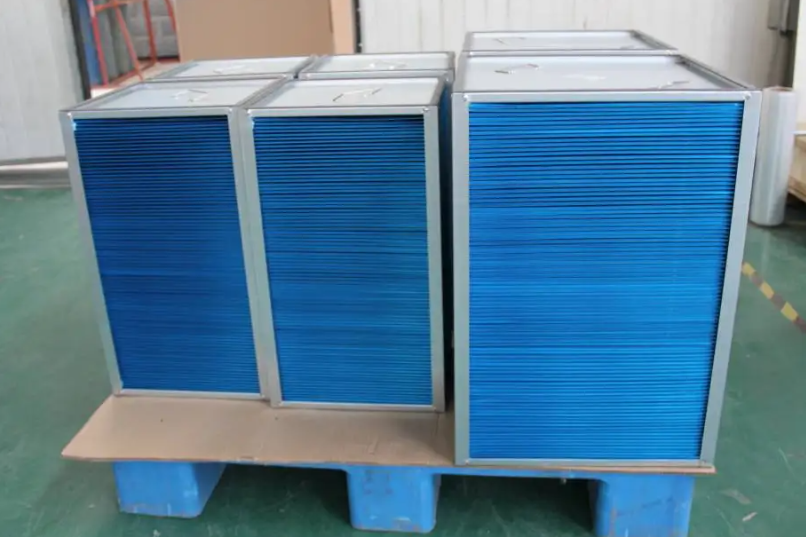
Introduction: The heat exchange core is a cross flow heat exchange core, in which two streams of air with different temperatures flow in a positive cross flow, and heat exchange occurs between the two fluids, with their channels completely separated.

Cross flow plate heat exchangers can be applied to air handling units as the main component of heat recovery. Cross flow plate heat exchangers can also be applied to ventilation systems, installed in air ducts as the main component of the heat recovery section, and their installation positions can be flexibly switched.

Cross flow plate heat exchangers

Application scenarios: Waste heat recovery solutions for coating machines, laminating machines, etc., heat recovery solutions for drying vegetables, nuts, shrimp skin, and dried fish, waste heat recovery for paint baking rooms, energy-saving technologies for waste heat recovery of exhaust gases such as boiler and factory electricity.

The module structure can provide any size and stacking height combination to meet various airflow and scene applications.

Material: According to the on-site working conditions, various materials are available for selection, such as hydrophilic aluminum foil, epoxy resin aluminum foil, stainless steel, etc.

Cross flow plate heat exchangers

ਮਦਦ ਦੀ ਲੋੜ ਹੈ?
pa_INਪੰਜਾਬੀ