Tag Archive air heat exchanger

Workshop Waste Emulsion Evaporator Condensing Air Heat Exchanger — Flue Gas Cooling and White Plume Reduction

During the evaporation process of waste emulsions in industrial workshops, the exhaust gas discharged from the evaporator is typically characterized by high temperature and high moisture content. Direct release of this exhaust often results in visible white plume emissions and unnecessary heat loss. By installing a condensing air-to-air heat exchanger, effective flue gas cooling and exhaust treatment can be achieved.
The heat exchanger cools the hot, moisture-laden exhaust gas through indirect air-to-air heat transfer, allowing water vapor to condense and be separated. This process not only reduces exhaust gas temperature but also removes excess moisture, thereby eliminating visible white plumes and improving emission appearance.
Recovered sensible heat can be reused to preheat incoming fresh air or process air, reducing overall energy consumption of the evaporation system. The condensing air heat exchanger provides a reliable solution for waste emulsion evaporator exhaust cooling, white plume reduction, and energy recovery in industrial workshop applications.

Corrosion-Resistant Air Heat Exchange Core and Dehumidification Heat Recovery Equipment for Heat Pump Drying Systems

In heat pump drying applications, especially for seafood processing, chemical sludge, and other salt-laden materials, the drying and baking environment places extremely high demands on air heat exchange equipment. Exhaust air often contains large amounts of water vapor, salt mist, and corrosive substances. Conventional aluminum heat exchangers are prone to corrosion, perforation, rapid efficiency loss, and frequent failures. For these harsh conditions, corrosion-resistant air heat exchange cores combined with dehumidification and exhaust heat recovery equipment are essential to ensure long-term stable operation of heat pump drying systems.


1. Typical Operating Conditions

Drying exhaust air from seafood processing and chemical sludge treatment usually has the following characteristics:

High humidity with large volumes of condensate
Presence of salt mist or chemical corrosive components
Continuous operation under medium to high temperatures
Long operating cycles with limited downtime for maintenance
High reliability requirements for heat pump systems

These conditions require heat exchange cores with excellent resistance to corrosion, condensation, and thermal stress.


2. Key Design Features of Corrosion-Resistant Air Heat Exchange Cores

1. Corrosion-Resistant Materials

The heat exchange core is manufactured using stainless-steel foil (304 / 316L) or other high-corrosion-resistant composite materials, effectively resisting salt mist, chloride ions, and chemical corrosion while significantly extending service life.

2. Air-to-Air Isolated Heat Exchange Structure

An air-to-air heat exchange design ensures complete separation between exhaust air and make-up air, preventing salt mist and corrosive components from entering the heat pump system.

3. Low-Resistance, Large-Channel Design

Wide airflow passages and low pressure drop support high-humidity, large-airflow drying chambers, minimizing fouling and blockage.

4. Efficient Condensate Drainage and Anti-Liquid Accumulation Design

Vertical airflow configuration combined with a bottom condensate collection tray enables rapid drainage, preventing liquid accumulation and corrosion.


3. Integrated Dehumidification, Exhaust Air Discharge, and Heat Recovery Principle

Within a heat pump drying system, the corrosion-resistant air heat exchange core works in coordination with the dehumidification and exhaust heat recovery module:

  1. High-humidity hot air from the drying chamber enters the dehumidification heat exchange section.

  2. Water vapor condenses on the surface of the heat exchange core and is discharged.

  3. Latent and sensible heat released during condensation is recovered.

  4. Recovered heat is used to preheat make-up air or recirculated air.

  5. Reduced air humidity improves drying efficiency.

  6. Heat pump load decreases, enhancing overall system energy efficiency.

This integrated process achieves both moisture removal and energy recovery simultaneously.


4. Application Areas

This type of corrosion-resistant air heat exchange core and heat recovery equipment is particularly suitable for:

Seafood drying and processing (fish, shrimp, seaweed)
Salt-containing agricultural and aquatic products
Chemical sludge and salt-bearing sludge drying
Heat pump drying systems for high-salinity waste materials
Drying chambers in coastal or high salt-mist environments


5. System Benefits

Applying corrosion-resistant air heat exchange cores under harsh operating conditions delivers:

Stable and reliable long-term operation
Effective dehumidification with shorter drying cycles
Recovery of exhaust heat to reduce heat pump energy consumption
Significantly reduced corrosion risk and maintenance costs
Extended service life and improved system reliability


6. Conclusion

In high-salinity, high-humidity, and corrosive drying environments such as seafood processing and chemical sludge treatment, conventional heat exchange equipment cannot ensure stable operation. The use of dedicated corrosion-resistant air heat exchange cores combined with dehumidification and exhaust heat recovery equipment provides a reliable, energy-efficient solution for heat pump drying systems. It represents a key enabling technology for safe, economical, and sustainable operation in complex drying conditions.

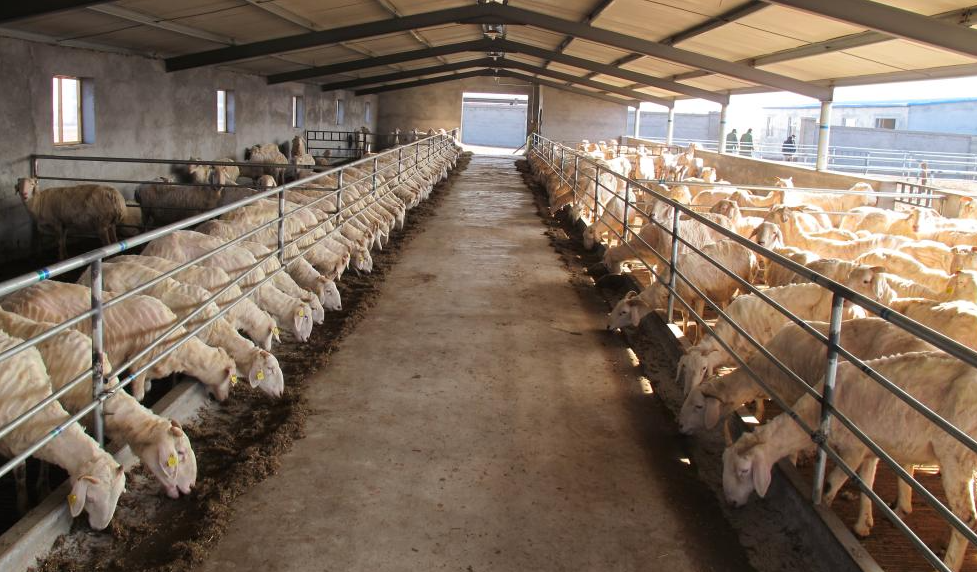
Heat recovery heat exchanger for livestock and poultry breeding ventilation

The energy recovery ventilation heat exchanger in livestock and poultry breeding houses is of great significance for modern animal husbandry. Mainly based on heat exchange technology, the fresh air entering the breeding house is preheated by recovering the heat from the discharged air, thereby achieving effective energy utilization and conservation. It has significant advantages in improving air quality, energy conservation and environmental protection, and enhancing comfort.


working principle
Energy transfer: The ventilation heat exchanger exchanges heat between the warm and humid air discharged and the fresh and cold air entering through its internal heat exchange core. In this process, the heat emitted from the air is transferred to fresh air, which is preheated before entering the livestock and poultry house.
Preventing cross contamination: Fresh air and exhaust air are strictly separated in the heat exchanger to avoid the transmission of any odors and moisture, ensuring the cleanliness of the fresh air.
Technical advantages

  1. By recycling the heat emitted from the air, the ventilation heat exchanger significantly reduces the energy consumption required for heating, achieving energy conservation and consumption reduction. This energy-saving effect is of great significance for reducing feeding costs.
  2. Improving air quality: Ventilation heat exchangers can not only recover heat, but also discharge polluted air and moisture from the house, improve the air environment of livestock and poultry houses, and reduce the concentration of harmful gases.
  3. Strong adaptability: Whether in cold winter or hot summer, ventilation heat exchangers can adjust the temperature and humidity of fresh air as needed, providing a comfortable living environment for livestock and poultry.

application area
Livestock and poultry farms: Ventilation heat exchangers are widely used in various livestock and poultry farms such as pig houses, chicken houses, and cattle houses, providing a suitable temperature and good air quality living environment for livestock and poultry.
Livestock related places: In addition to livestock and poultry breeding sites, ventilation heat exchangers can also be used for temperature and humidity control in livestock related places such as feed processing workshops and dairy production workshops.

Vegetable, tea, bean drying room, dehumidification and moisture removal air heat exchanger

Efficient dehumidification and dehumidification systems are required during the drying process of agricultural products such as vegetables, tea, and beans to ensure the quality and efficiency of the drying process. The gas heat exchanger plays a crucial role in this process. The following is a detailed introduction to the dehumidification and dehumidification system of vegetable, tea, and bean drying rooms.

Dehumidification process:
The humid and hot air in the drying room is drawn out by the exhaust fan and exchanges heat with the incoming dry air when passing through the air air heat exchanger.
After passing through the heat exchanger, the temperature of the discharged humid and hot air decreases, and the water vapor condenses into liquid water and is discharged.
The incoming dry air is preheated by a heat exchanger and enters the drying room, improving the drying efficiency.

Application scenarios
Vegetable drying: such as chili peppers, carrots, cabbage, etc., by controlling temperature and humidity, the color and nutrition of the dried vegetables are not destroyed.
Tea drying: For green tea, black tea, oolong tea, etc., the aroma and quality of the tea are maintained through appropriate temperature and humidity control.
Legumes drying: such as soybeans, mung beans, red beans, etc., are dried evenly with hot air to ensure the dryness and storage quality of the beans.

The application of gas air heat exchangers in vegetable, tea, and bean drying rooms has improved the energy efficiency and product quality of the drying process through efficient dehumidification and dehumidification functions. Reasonable design and use can significantly reduce energy consumption and operating costs, while being environmentally friendly, making it an indispensable part of modern drying technology.

Need Help?
en_USEnglish